Pet Orthopedics & Surgery
At Vienna Vet, our pet orthopedic and surgery team is committed to delivering the highest quality of care to pets of all sizes. Our highly trained veterinary surgeons have access to the latest technology and years of experience, enabling us to provide a wide range of customized surgical services tailored to meet the needs of each animal. We know surgery can be scary for both pets and their owners. That’s why we place a strong emphasis on transparent communication, hands-on care, and adherence to best practices in veterinary medicine.
One of Dubai’s pet wellness leaders, as featured by TimeOut

Our Orthopedic and Soft Tissue Surgery Veterinary Specialists
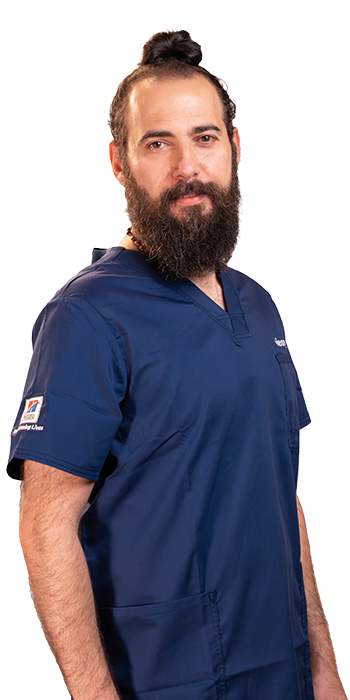
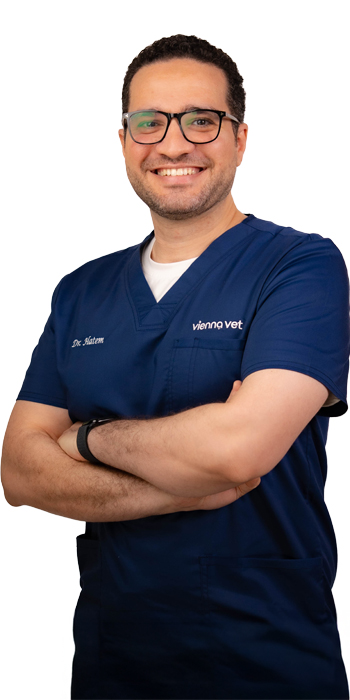
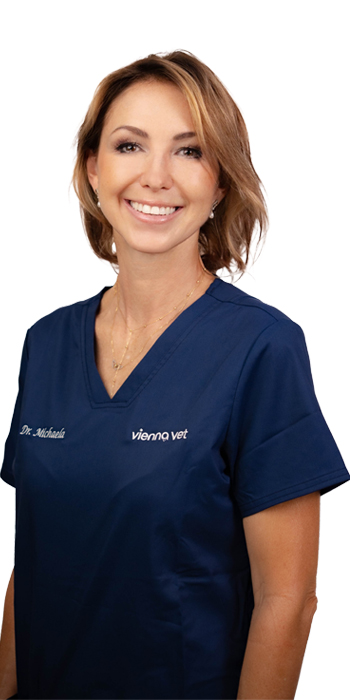
At Vienna Vet, we have highly qualified veterinary orthopedic surgeons and soft tissue surgery specialists. Our team is ready to provide your pet with expert care every step of the way, whether they have a hereditary joint disease, a traumatic injury, or require a complex surgery.
Orthopedic Vet Procedures
Our orthopedic pet surgeons perform corrective surgery on bones, joints, ligaments, tendons, and muscles. A wide range of orthopedic problems can be handled in our clinic, including:
Hereditary Joint Diseases: A lot of pets, especially specific breeds, are more likely to get joint problems like hip dysplasia, elbow dysplasia, and patellar luxation. To keep your pet comfortable and mobile, it’s essential to identify any issues early and treat them accordingly. To address these issues and improve your pet’s quality of life, our surgeons utilize cutting-edge diagnostic tools and surgical techniques.
Fracture Management: Accidents and injuries can break bones, and these need to be treated promptly and correctly. We offer complete fracture care, which includes realigning, stabilizing, and rehabilitating the bone. We use both conventional and minimally invasive methods, ensuring the best outcome for your pet.
Pinning and Plating: We use surgical pinning and plating methods for complicated fractures or bone deformities. To speed up recovery and reduce the risk of complications, these procedures involve the use of metal implants to stabilize bones while they heal.
Ligament Repair by Extracapsular Method: Active dogs often hurt their ligaments, such as when they tear their cranial cruciate ligament (CCL). The extracapsular repair method is a well-established surgical technique that helps your pet return to their normal activities by restoring joint stability and function.
TPO, or Triple Pelvic Osteotomy: This is a special type of surgery used to fix hip dysplasia in young dogs. This procedure can significantly reduce pain and prevent arthritis from worsening by realigning the pelvic bones.
Soft Tissue Surgery for Cats and Dogs
In addition to orthopedic procedures, our clinic handles a full range of soft tissue surgeries for pets. These surgeries fix problems with organs, skin, muscles, and other tissues that aren’t bones. Some of these problems are:
Anconeal Process Surgery: This surgery is often needed for dogs with ununited anconeal process (UAP), a developmental problem that affects the elbow joint. Surgery can help alleviate pain and restore the joints to normal function.
Joint Fusion (Arthrodesis): If your pet has severe joint disease or an injury that can’t be fixed, your doctor may suggest joint fusion to get rid of pain and make their limbs work better. Our orthopedic veterinary specialists carefully review each case to determine the best course of action.
Amputation: Amputation is always seen as a last resort, but it can save the lives of pets with severe trauma, cancer, or limb conditions that can’t be treated. To ensure your pet’s comfort and ease of adjustment to life on three legs, our caring team provides thorough pre- and post-operative support.
If your pet is showing signs of pain, limping, or mobility issues, don’t wait.
With our dedicated team of specialists, surgeons, and state-of-the-art technology, your pet will receive the best standard of care. At our orthopedic veterinary clinic in Dubai, we treat all our furry patients with kindness and gentleness, making sure they feel safe and relaxed.
Let us assess your pet and discuss the best treatment options right away.
Call now: +971 4 330 8555
Comprehensive Pre-Operative and Post-Operative Care
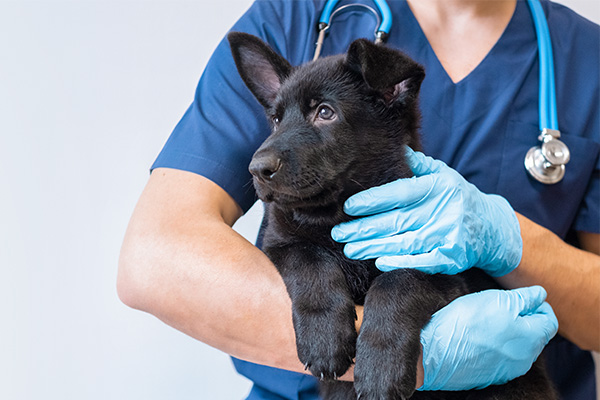
At Vienna Vet, we believe that achieving good surgical results depends on more than just being skilled at surgery. Our method includes thorough pre–operative evaluations, personalized anaesthesia plans, and careful post–operative care.
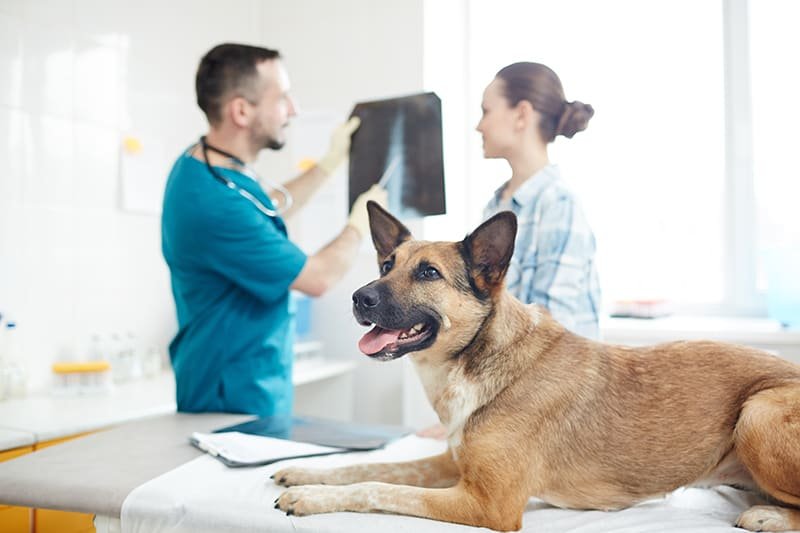
Pre-Operative Assessment: Before any surgery, we perform a complete exam and diagnostic workup to make sure your pet is healthy enough to receive anaesthesia and surgery. This may involve blood tests, imaging tests (such as X-rays or ultrasounds), and consultations with our surgical team.
Pain Control and Anaesthesia: Our top priorities are your pet’s safety and comfort. We utilize the latest anaesthetics and monitoring tools to minimize risk and provide effective pain relief throughout the entire surgery.
Post-Operative Care: Our exceptional surgical suite keeps a close eye on recovery. Our veterinary nurses provide your pet with gentle care, administer medication, and assist them in regaining strength and mobility. We also provide pet owners with clear instructions and ongoing support for at-home care and rehabilitation.
We provide expert care from start to finish.
From cat and dog orthopedic surgery to soft tissue surgery, our care protocols are designed to ensure a successful and stress-free experience. We do not perform unnecessary surgeries and only recommend invasive procedures to ensure your pet’s longevity and quality of life.
As a multi-specialty pet clinic, your pet will have access to a team of experts and the best technology, all under one roof – ensuring a successful, closely monitored recovery.
Call now: +971 4 330 8555
Why Choose Vienna Vet?
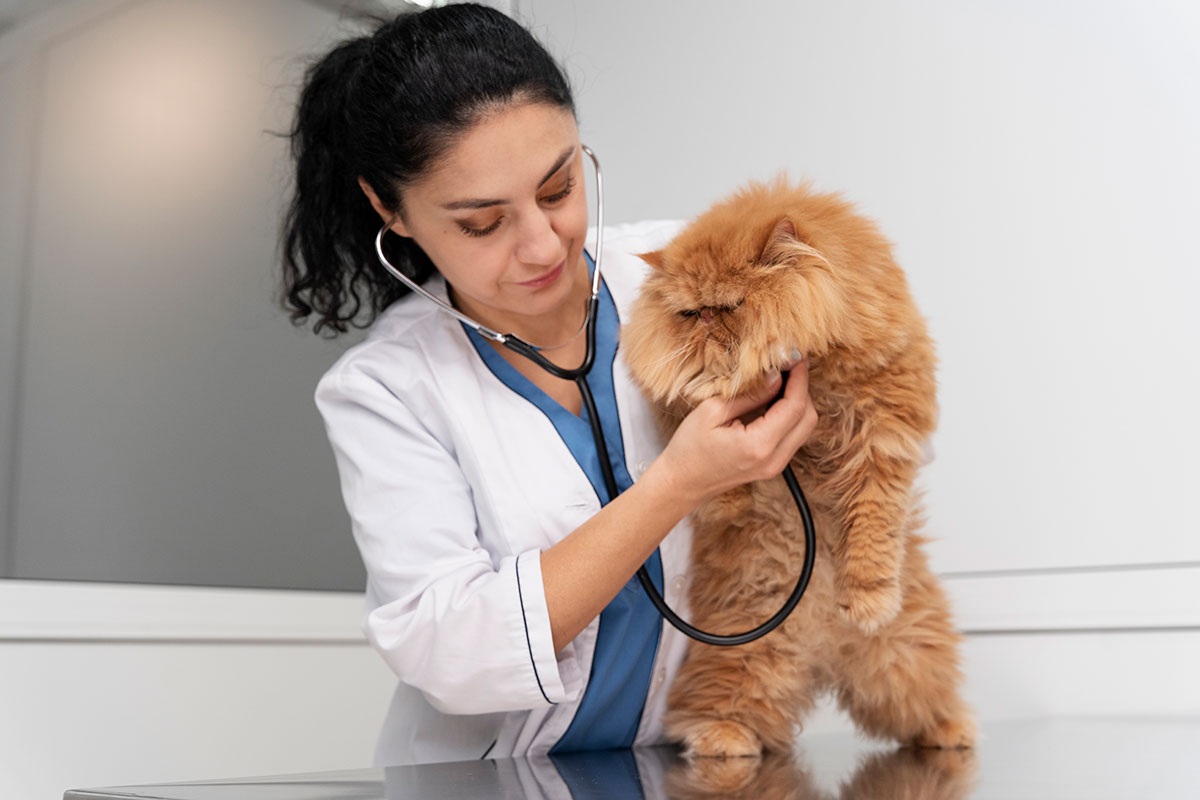
Experienced Surgeons: Our veterinary surgeons have extensive training in both simple and complex surgeries, ensuring your pet receives the best possible care.
State-of-the-Art Facilities: We have modern surgical suites, advanced imaging technology, and specialized orthopedic equipment at our clinic to support a wide range of procedures.
Full Range of Services: We do more than just surgery and orthopedics. We also offer annual health checks and vaccinations, neutering and spaying, radiology services, health and travel certificates, and grooming, all in one convenient location.
Individualized Care: Every pet is different, so we make sure that our surgical plans and care plans are tailored to their specific needs.
Still have questions?
The Vienna Vet Promise
Vienna Vet is committed to enhancing your pets’ health and well-being through exceptional surgical care and compassionate service. To ensure your pet receives the best possible care, our team actively pursues professional development and stays current with the latest advances in veterinary medicine.
We are with you every step of the way, from the first consultation to the recovery period after surgery. We will answer your questions, address your concerns, and celebrate your pet’s progress. We value your trust in us above all else, and we work hard to exceed your expectations every time you visit.
Looking for dog fracture treatment and surgery in Dubai?
Vienna Vet specializes in orthopedic surgery. We regularly perform corrective surgeries, including medial patellar luxation surgery for dogs. If your pet requires surgery to treat fractures or any other orthopedic issues in Dubai, come to us. We guarantee transparent communication and a dedicated team that will treat your pet with kindness, care, and expertise.
Schedule a consultation today to ensure your pet gets the help they need without delay.
What Our Pet Parents Are Saying
Outstanding care and treatment. Dr Flavia and her team at Vienna vets saved my puppy’s life!
We brought our rescued Mumma cat 🐱and her 4 adorable kittens 🐈⬛ here earlier today for their very first general check-up. The clinic was clean, had a friendly atmosphere, well-sanitized, and the staff used proper tools especially when handling the cats. We’re also thankful for the free coffee and Wi-Fi while waiting. 😀 Thank you, Vienna Vet Clinic!
I’ve been bringing my pet to Vienna Veterinary since she was just a puppy, and I couldn’t ask for a better clinic. Truly grateful for the consistent support and genuine love they show every visit.
Frequently Asked Questions
We perform a wide variety of orthopaedic surgeries, such as fracture management, pinning and plating, ligament repair (such as extracapsular stabilization for ACL/CCL injuries), triple pelvic osteotomy (TPO), joint fusion, and amputation. Each procedure is adapted to your pet’s unique needs and condition, ensuring the best possible result.
If your pet is limping frequently, has trouble getting up or walking, is reluctant to play or exercise, has swollen joints, or exhibits visible deformities after an injury, they may require orthopaedic surgery. If you notice any of these signs, schedule an appointment with one of our veterinarians for a comprehensive checkup and diagnostic imaging to determine the best course of action.
Depending on the type of surgery and your pet’s overall health, the recovery period will vary. Most pets require time for limited activity, pain management, and physical therapy to regain their strength and mobility. Our team provides you with detailed instructions on how to care for your pet after surgery. It guides you through the recovery process, including follow-up visits and advice on how to support your pet’s recovery.
Yes, for some pets—especially those with minor injuries or those who aren’t good candidates for surgery—non-surgical options may include managing their weight, adjusting their exercise routine, providing joint supplements, administering pain medications, undergoing physical therapy, and using knee braces. But for serious injuries like complete ligament tears, surgery is usually the best way to get things back to normal and reduce pain in the long term.
Before the surgery, your pet will undergo a complete checkup and tests to ensure they are healthy enough to undergo anaesthesia. Before the procedure, you might be told not to eat or drink anything for a certain amount of time. Our team will assist you with check-in and address any last-minute questions you may have on the day of surgery. Your pet may need to stay at the clinic after surgery so that they can be closely monitored before being discharged with detailed care instructions.
Yes. Modern veterinary anesthesia is very safe when administered by trained professionals. At Vienna Vet, every pet receives a pre-anesthetic health check and blood test to assess organ function before surgery. During the procedure, your pet is continuously monitored for heart rate, oxygen, and temperature to ensure complete safety and comfort.
There is no strict age limit for anesthesia; it depends on your pet’s overall health. Senior pets can safely undergo anesthesia when properly assessed and monitored. Vienna Vet veterinarians adjust anesthesia protocols for older or high-risk pets, using tailored doses and advanced monitoring to reduce risk and ensure a smooth recovery.
In most cases, pets can drink small amounts of water up until about 2-4 hours before anesthesia. However, food should be withheld to prevent complications. Vienna Vet’s surgical team provides specific fasting and water instructions before every procedure to keep your pet safe.
Pets are generally asked to fast for 8 to 12 hours before surgery. This helps prevent vomiting or aspiration during anesthesia. For very young, small, or diabetic pets, your vet may recommend a shorter fasting period. Always follow the exact pre-surgical guidelines provided by Vienna Vet.
The duration of surgery depends on the procedure’s complexity. Minor soft tissue surgeries (like lump removals) may take 30 to 60 minutes, while orthopedic surgeries (such as fracture repairs) can take 1 to 3 hours. Vienna Vet keeps you informed before, during, and after surgery so you know what to expect.
After surgery, keep your pet indoors, warm, and rested. Follow your vet’s instructions on medication, feeding, and wound care. Limit physical activity, monitor the incision daily, and ensure your pet wears an Elizabethan collar if prescribed. Vienna Vet provides detailed post-operative care instructions and follow-up visits to ensure smooth healing.
A healthy incision should look clean, dry, and slightly pink, with minimal swelling. Mild bruising is normal, but signs like redness, discharge, bad odour, or excessive swelling may indicate infection. If you notice any of these, contact Vienna Vet immediately for an assessment.
No. Licking or chewing the incision can cause infection, reopen stitches, or delay healing. Always keep your pet’s incision covered and ensure they wear an Elizabethan (cone) collar or a soft recovery suit until the wound fully heals. Vienna Vet can recommend the best protective options for your pet.
To promote faster healing, ensure your pet rests adequately, eats a balanced diet, and takes all prescribed medications. Keep the incision clean and dry, and prevent running or jumping until cleared by your vet. Vienna Vet may also suggest supplements to support tissue recovery in certain cases.
Contact your vet immediately [SOS Hotline] if your pet shows signs of lethargy, refusal to eat, vomiting, excessive swelling, bleeding, or persistent pain. These may indicate complications that require prompt attention. Vienna Vet offers post-surgical support and emergency care to ensure your pet’s recovery stays on track.
Common veterinary surgeries include spaying and neutering, lump removals, wound repairs, fracture fixation, cruciate ligament repair, and abdominal surgeries. Vienna Vet performs both soft tissue and orthopedic surgeries using advanced surgical techniques and strict sterilization protocols to ensure the best outcomes for every patient.
Yes, but only under veterinary guidance. Gentle, controlled walks can actually help strengthen the muscles around the knee joint, improving stability in mild cases of luxating patella. However, avoid running, jumping, or slippery surfaces that could strain the joint or worsen the condition. Always consult your veterinarian or a physiotherapist to design a safe exercise plan tailored to your dog’s grade of luxation and pain level.
We perform a wide variety of orthopaedic surgeries, such as fracture management, pinning and plating, ligament repair (such as extracapsular stabilization for ACL/CCL injuries), triple pelvic osteotomy (TPO), joint fusion, and amputation. Each procedure is adapted to your pet’s unique needs and condition, ensuring the best possible result.
If your pet is limping frequently, has trouble getting up or walking, is reluctant to play or exercise, has swollen joints, or exhibits visible deformities after an injury, they may require orthopaedic surgery. If you notice any of these signs, schedule an appointment with one of our veterinarians for a comprehensive checkup and diagnostic imaging to determine the best course of action.
Depending on the type of surgery and your pet’s overall health, the recovery period will vary. Most pets require time for limited activity, pain management, and physical therapy to regain their strength and mobility. Our team provides you with detailed instructions on how to care for your pet after surgery. It guides you through the recovery process, including follow-up visits and advice on how to support your pet’s recovery.
Yes, for some pets—especially those with minor injuries or those who aren’t good candidates for surgery—non-surgical options may include managing their weight, adjusting their exercise routine, providing joint supplements, administering pain medications, undergoing physical therapy, and using knee braces. But for serious injuries like complete ligament tears, surgery is usually the best way to get things back to normal and reduce pain in the long term.
Before the surgery, your pet will undergo a complete checkup and tests to ensure they are healthy enough to undergo anaesthesia. Before the procedure, you might be told not to eat or drink anything for a certain amount of time. Our team will assist you with check-in and address any last-minute questions you may have on the day of surgery. Your pet may need to stay at the clinic after surgery so that they can be closely monitored before being discharged with detailed care instructions.
Yes. Modern veterinary anesthesia is very safe when administered by trained professionals. At Vienna Vet, every pet receives a pre-anesthetic health check and blood test to assess organ function before surgery. During the procedure, your pet is continuously monitored for heart rate, oxygen, and temperature to ensure complete safety and comfort.
There is no strict age limit for anesthesia; it depends on your pet’s overall health. Senior pets can safely undergo anesthesia when properly assessed and monitored. Vienna Vet veterinarians adjust anesthesia protocols for older or high-risk pets, using tailored doses and advanced monitoring to reduce risk and ensure a smooth recovery.
In most cases, pets can drink small amounts of water up until about 2-4 hours before anesthesia. However, food should be withheld to prevent complications. Vienna Vet’s surgical team provides specific fasting and water instructions before every procedure to keep your pet safe.
Pets are generally asked to fast for 8 to 12 hours before surgery. This helps prevent vomiting or aspiration during anesthesia. For very young, small, or diabetic pets, your vet may recommend a shorter fasting period. Always follow the exact pre-surgical guidelines provided by Vienna Vet.
The duration of surgery depends on the procedure’s complexity. Minor soft tissue surgeries (like lump removals) may take 30 to 60 minutes, while orthopedic surgeries (such as fracture repairs) can take 1 to 3 hours. Vienna Vet keeps you informed before, during, and after surgery so you know what to expect.
After surgery, keep your pet indoors, warm, and rested. Follow your vet’s instructions on medication, feeding, and wound care. Limit physical activity, monitor the incision daily, and ensure your pet wears an Elizabethan collar if prescribed. Vienna Vet provides detailed post-operative care instructions and follow-up visits to ensure smooth healing.
A healthy incision should look clean, dry, and slightly pink, with minimal swelling. Mild bruising is normal, but signs like redness, discharge, bad odour, or excessive swelling may indicate infection. If you notice any of these, contact Vienna Vet immediately for an assessment.
No. Licking or chewing the incision can cause infection, reopen stitches, or delay healing. Always keep your pet’s incision covered and ensure they wear an Elizabethan (cone) collar or a soft recovery suit until the wound fully heals. Vienna Vet can recommend the best protective options for your pet.
To promote faster healing, ensure your pet rests adequately, eats a balanced diet, and takes all prescribed medications. Keep the incision clean and dry, and prevent running or jumping until cleared by your vet. Vienna Vet may also suggest supplements to support tissue recovery in certain cases.
Contact your vet immediately [SOS Hotline] if your pet shows signs of lethargy, refusal to eat, vomiting, excessive swelling, bleeding, or persistent pain. These may indicate complications that require prompt attention. Vienna Vet offers post-surgical support and emergency care to ensure your pet’s recovery stays on track.
Common veterinary surgeries include spaying and neutering, lump removals, wound repairs, fracture fixation, cruciate ligament repair, and abdominal surgeries. Vienna Vet performs both soft tissue and orthopedic surgeries using advanced surgical techniques and strict sterilization protocols to ensure the best outcomes for every patient.
Yes, but only under veterinary guidance. Gentle, controlled walks can actually help strengthen the muscles around the knee joint, improving stability in mild cases of luxating patella. However, avoid running, jumping, or slippery surfaces that could strain the joint or worsen the condition. Always consult your veterinarian or a physiotherapist to design a safe exercise plan tailored to your dog’s grade of luxation and pain level.

Book Your Pet’s Orthopedic or Soft Tissue Surgery Today
As scary as surgeries can seem, they help improve your pet’s longevity and quality of life. As a pet parent, the best thing you can do for your pet is get them the best standard of care you can. Our team at Vienna Vet is here to help you every step of the way. Early action can make all the difference — book your consultation now.
Call: 04 330 8555